Basement Flooding in Minneapolis: Causes & Cleanup
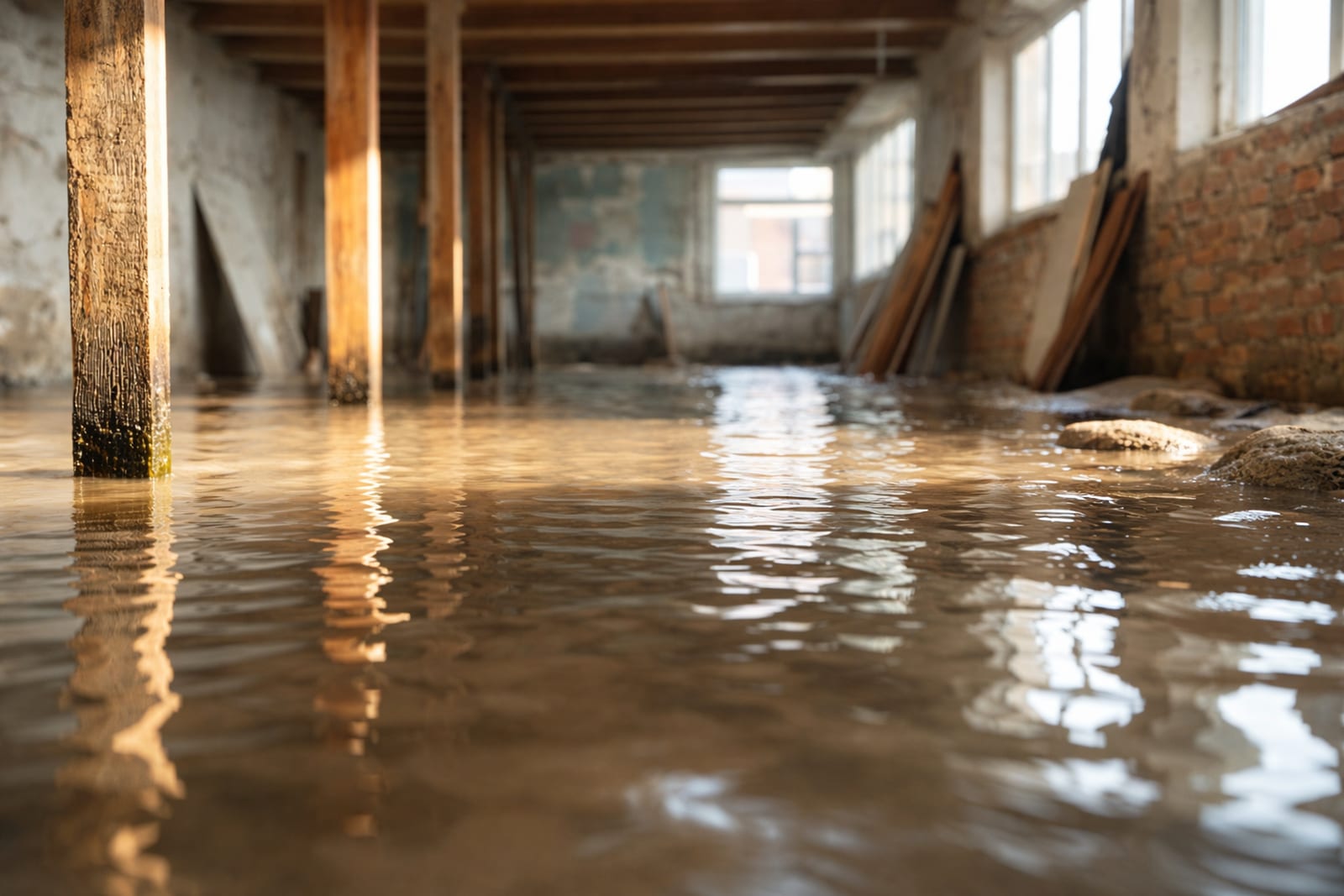
Basement flooding is the most common type of water damage in Minneapolis homes. The combination of a high water table, aging municipal infrastructure, extreme temperature swings, and heavy spring precipitation puts thousands of Twin Cities basements at risk every year. Whether you have two inches of water or two feet, Priority Water Damage Minneapolis provides the emergency water extraction, structural drying, and restoration services needed to return your basement to usable condition.
Why Minneapolis Basements Flood
Understanding why your basement flooded is essential for preventing it from happening again. Here are the most common causes we see across the Minneapolis metro:
Sump Pump Failure
Sump pumps are the primary defense against basement water in most Minneapolis homes. When they fail — due to power outages, mechanical wear, stuck float switches, or simply being overwhelmed by heavy inflow — groundwater rises into the basement. During spring snowmelt and heavy rain events, a failed sump pump can result in several inches of water within hours.
Spring Snowmelt & Saturated Soil
April and May are peak basement flooding months in Minneapolis. Several feet of accumulated snow melt rapidly as temperatures rise, and the meltwater often runs toward foundations faster than the soil can absorb it. Making matters worse, the ground may still be partially frozen beneath the surface, preventing downward drainage and directing all water laterally against foundation walls.
Heavy Rainfall on Frozen Ground
Early spring rain falling on still-frozen ground creates a runoff scenario similar to pouring water on concrete. None of the water absorbs into the earth. Instead, it flows across the surface directly to the lowest point — which is often the soil adjacent to your foundation. This overwhelms window wells, floor drains, and sump pump capacity.
Foundation Cracks & Deterioration
Many Minneapolis homes were built in the 1940s through 1970s with poured concrete or block foundations. After decades of freeze-thaw cycling, hairline cracks develop and widen, allowing groundwater to seep in during periods of high water table. Walk-out basements, which are common in Minneapolis suburbs, have additional vulnerability along the transition between below-grade and above-grade walls.
Sewer & Storm Drain Backups
During extreme rain events, Minneapolis's combined sewer system can become overwhelmed, causing sewage to back up through basement floor drains. This creates a Category 3 (black water) situation that requires specialized sewage cleanup protocols due to the presence of biological contaminants.
Our Basement Flooding Cleanup Process
Emergency Water Extraction
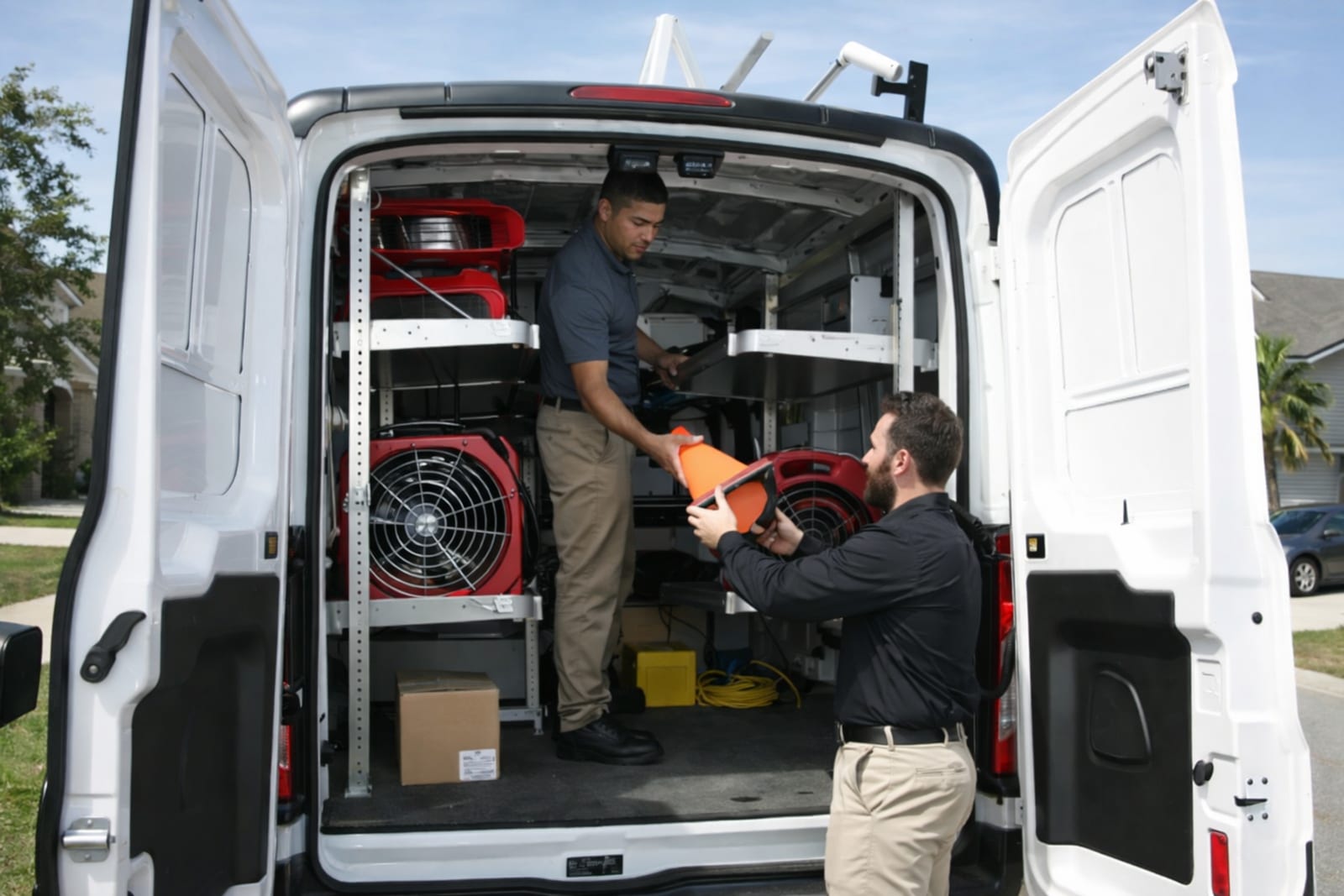
We arrive with commercial submersible pumps and truck-mounted extraction units to remove standing water as quickly as possible. For deep flooding, our pumps can handle thousands of gallons per hour. Time is critical — every hour that water sits in your basement increases damage to flooring, drywall, furniture, and personal belongings.
Content Removal & Salvage
We carefully remove furniture, boxes, electronics, and personal items from the wet area. Salvageable items are cleaned and dried. Items that cannot be saved are documented for insurance purposes before disposal.
Structural Drying
After extraction, we place commercial LGR dehumidifiers and high-velocity air movers throughout the basement. We monitor moisture levels in concrete, drywall, framing, and insulation daily using calibrated moisture meters. Drying continues until all materials reach IICRC-standard moisture targets.
Sanitization & Antimicrobial Treatment
Flood water — even from clean sources — picks up contaminants from the floor, soil, and drainage system. We clean all affected surfaces and apply EPA-registered antimicrobial agents to prevent mold growth, which can begin within 48 to 72 hours in a damp basement.
Restoration & Repair
Once the basement is dry and clean, we handle all restoration work: drywall replacement, flooring reinstallation, painting, trim work, and electrical outlet replacement as needed. One company from start to finish means no coordination headaches between contractors.
Preventing Future Basement Flooding
After we restore your basement, we can recommend prevention measures specific to your property:
- Backup sump pump system: A battery-operated or water-powered backup sump pump protects you during power outages and primary pump failures.
- Backflow prevention valve: Installed on your sewer lateral, a backflow valve prevents sewage from backing up through your floor drain during heavy rain events.
- Grading and drainage improvements: Directing surface water away from your foundation through proper grading, extended downspouts, and french drains reduces hydrostatic pressure on basement walls.
- Foundation crack repair: Interior or exterior waterproofing addresses cracks that allow water infiltration during high water table periods.
- Window well covers and drains: Covered window wells with proper drainage prevent pooling water from entering through basement windows.
Frequently Asked Questions
How do you dry out a flooded basement?
We start by extracting all standing water using submersible pumps and truck-mounted extraction equipment. Once standing water is removed, we place commercial LGR dehumidifiers and high-velocity air movers throughout the space. We monitor moisture levels in the concrete slab, walls, and framing daily until IICRC drying standards are met. Depending on the depth of flooding and materials affected, the drying process typically takes 3 to 6 days.
Will a flooded basement cause mold?
Yes, mold can begin growing within 48 to 72 hours in a flooded basement, especially on drywall, carpet pad, and organic materials. Professional extraction and drying within the first 24 hours significantly reduces the risk. We include antimicrobial treatment on every basement flooding project to prevent mold establishment during the drying period.
Does homeowner's insurance cover basement flooding?
Coverage depends on the cause. Standard homeowner's policies typically cover sudden events like burst pipes and water heater failures. Sump pump failure coverage often requires a separate endorsement. Groundwater flooding and sewer backup may require additional coverage. We work with all insurance carriers and help you navigate the claims process. Our insurance claims guide explains coverage in detail.
How long does it take to dry a flooded basement in Minneapolis?
Drying time varies by season. Summer drying with good ventilation opportunities typically takes 3 to 4 days. Winter drying often takes 4 to 6 days because cold outdoor air limits our ability to use outside ventilation and increases the humidity differential that equipment must overcome. We monitor daily and adjust equipment placement based on readings.