Minneapolis Mold Remediation Services
Mold is more than an aesthetic problem. In Minneapolis homes, where humidity swings between winter dryness and summer moisture, mold growth poses real health risks and can cause significant structural damage if left unaddressed. Priority Water Damage Minneapolis provides comprehensive mold remediation services that go far beyond surface cleaning.
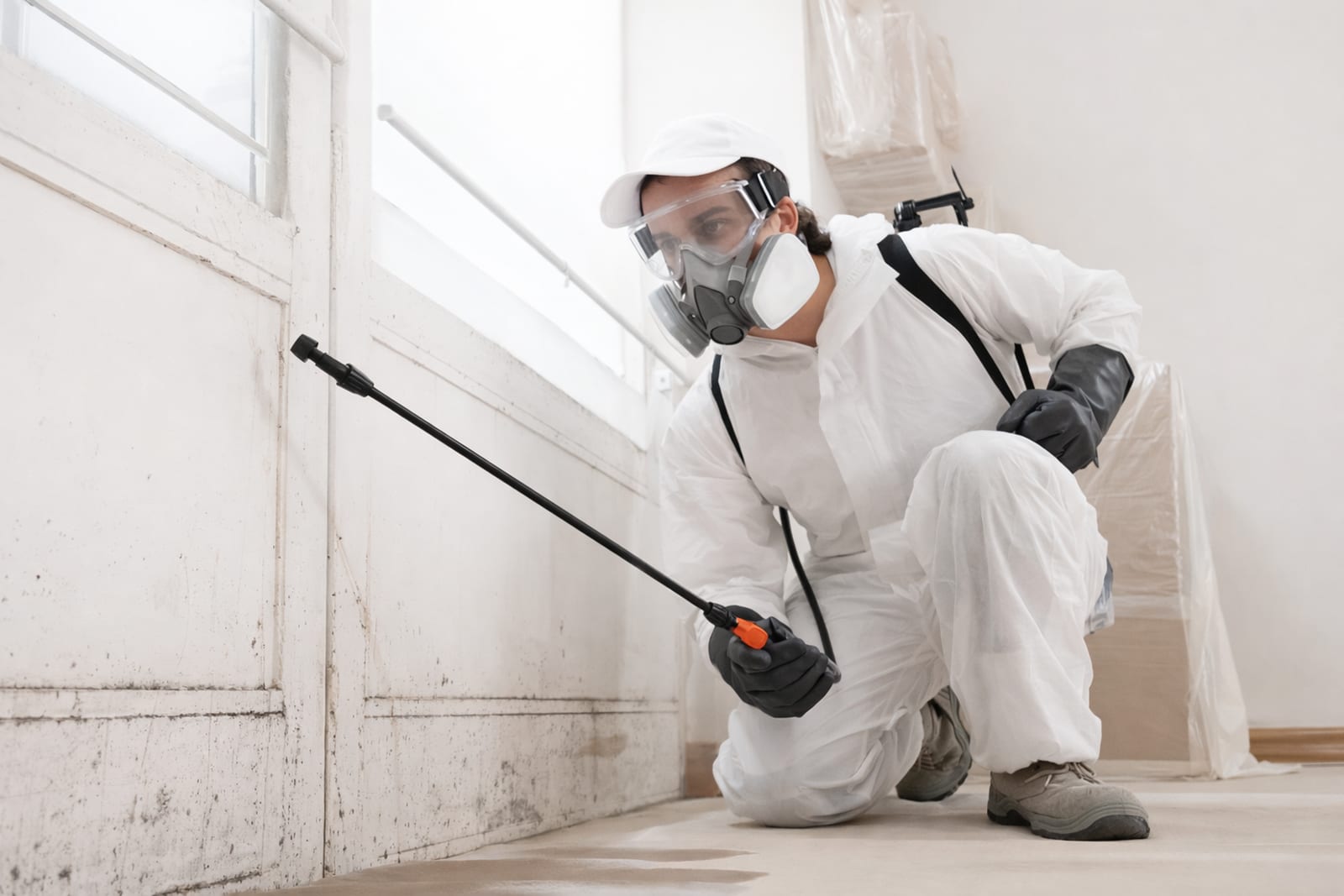
Our approach follows IICRC S520 standards for professional mold remediation. We identify the species, contain the affected area, remove contaminated materials, treat surfaces with antimicrobial agents, and — most importantly — address the underlying moisture source that allowed mold to grow in the first place. Without solving the moisture problem, mold will return.
Why Mold Grows in Minnesota Homes
Minneapolis properties face several conditions that promote mold growth:
- Basement condensation: Cool basement walls combined with warm, humid summer air create condensation that feeds mold growth on drywall, framing, and stored belongings.
- Post-water-damage moisture: Water damage from burst pipes, basement flooding, or roof leaks that is not properly dried creates mold-ready conditions within 48 to 72 hours.
- Poor ventilation: Tight construction in newer homes and sealed-up older homes during winter months traps humidity indoors, especially in bathrooms, kitchens, and laundry areas.
- Ice dam water intrusion: Ice dam damage introduces water into attics, walls, and ceilings where it often goes undetected long enough for mold to establish.
- HVAC issues: Leaking ductwork, clogged condensate lines, and oversized AC units that short-cycle without removing humidity are common sources of hidden moisture.
For an in-depth look at why mold is such a persistent issue across the state, read our guide on mold in Minnesota homes.
Our Mold Remediation Process
Every mold project starts with a thorough assessment and ends with verification that the problem has been resolved. Here is how we approach mold remediation at each step:
Inspection & Testing
Our technicians conduct a visual inspection and use moisture meters, thermal imaging, and air quality sampling to identify the extent of mold contamination. We test to determine the species present and the spore levels in your indoor air compared to outdoor baseline readings. This data guides the remediation plan.
Containment
Before any removal work begins, we establish containment barriers using polyethylene sheeting and negative air pressure. HEPA-filtered negative air machines prevent mold spores from spreading to unaffected areas of your home during the remediation process.
Air Filtration
Industrial HEPA air scrubbers run continuously throughout the remediation to capture airborne mold spores. These machines filter particles down to 0.3 microns, which is smaller than most mold spores.
Removal of Contaminated Materials
Porous materials that are heavily contaminated — such as drywall, insulation, carpet, and ceiling tiles — are carefully removed and disposed of. Non-porous surfaces like concrete, metal, and glass are cleaned and treated. Our technicians wear full PPE including respirators, gloves, and protective suits.
Cleaning & Treatment
Remaining surfaces are cleaned with HEPA vacuums and treated with EPA-registered antimicrobial agents. We also clean air ducts and HVAC components if the system was affected, preventing mold spores from recirculating through your home.
Moisture Source Correction
This is the step that separates professional remediation from simple mold removal. We identify and address the moisture source — whether it is a plumbing leak, foundation seepage, ventilation issue, or condensation problem — so the mold does not return after we leave.
Post-Remediation Verification
After remediation is complete, we conduct clearance testing to verify that mold spore levels have returned to acceptable ranges. You receive documentation of the testing results for your records and for insurance purposes.
Types of Mold We Handle
Minneapolis homes can harbor a wide range of mold species. Our technicians are trained and equipped to remediate all types, including:
- Stachybotrys chartarum (black mold): The most concerning variety, commonly found on water-damaged drywall and ceiling tiles. Requires careful containment and removal. Learn more about our black mold removal services.
- Aspergillus: Common in HVAC systems and on damp building materials. Several species can cause respiratory issues, particularly for individuals with compromised immune systems.
- Penicillium: Frequently found on water-damaged carpets, wallpaper, and insulation. Spreads quickly and produces a musty odor.
- Cladosporium: Grows on both warm and cool surfaces, often appearing on fabrics, wood, and in HVAC systems. Common in Minnesota basements.
- Alternaria: Typically found in damp areas like showers, under sinks, and around leaking windows. One of the most common outdoor and indoor molds in the Midwest.
When to Call for Professional Mold Remediation
Not every mold issue requires professional intervention. Small surface mold on bathroom tile or around a window seal can often be cleaned by homeowners. However, you should call a professional when:
- The affected area exceeds 10 square feet
- Mold is growing behind walls, above ceilings, or under flooring
- You can smell mold but cannot find it
- Mold has returned after previous cleaning
- Anyone in the household has respiratory symptoms or mold sensitivities
- Mold is related to a sewage backup or contaminated water event
- You need documentation for insurance or real estate purposes
Mold Prevention for Minneapolis Properties
After remediation, we work with homeowners to establish prevention strategies suited to Minnesota conditions:
- Maintain indoor relative humidity between 30% and 50% year-round
- Run a dehumidifier in the basement during summer months
- Ensure bathroom and kitchen exhaust fans vent directly to the outdoors
- Inspect and maintain your sump pump before spring
- Address any water intrusion within 24 to 48 hours to prevent mold establishment
- Schedule regular mold inspections if your home has a history of moisture issues
Frequently Asked Questions
How long does mold remediation take?
Most residential mold remediation projects in Minneapolis take 3 to 7 days depending on the size of the affected area and the extent of contamination. A single-room remediation may be completed in 2 to 3 days, while larger projects involving multiple rooms or structural components can take a week or more. We provide a timeline estimate during the initial inspection.
Is mold remediation covered by insurance?
Mold remediation is typically covered by homeowner's insurance when the mold results from a covered peril — such as a burst pipe, appliance failure, or sudden water event. Mold from long-term neglect, maintenance issues, or humidity problems is usually not covered. We work directly with your insurance carrier and provide the documentation needed for claim processing. Read our insurance claims guide for more details.
Can I stay in my home during mold remediation?
In most cases, yes. We use containment barriers and negative air pressure to isolate the work area and prevent spore migration to the rest of your home. However, for large-scale remediations or homes with individuals who have respiratory conditions, asthma, or compromised immune systems, we may recommend temporary relocation during the active removal phase.
What is the difference between mold removal and mold remediation?
Mold removal refers to physically removing mold from surfaces. Mold remediation is a comprehensive process that includes testing, containment, removal, cleaning, moisture source correction, and post-remediation verification. Simply removing visible mold without addressing the underlying moisture problem guarantees the mold will return. Our remediation process addresses the full picture.
How do I know if the mold in my house is dangerous?
You cannot determine whether mold is dangerous by looking at it. Color alone does not indicate toxicity — there are harmless black molds and harmful molds of every color. The only way to know what species you are dealing with and whether it poses a health risk is through professional testing. Our mold inspection services include air quality sampling and species identification.