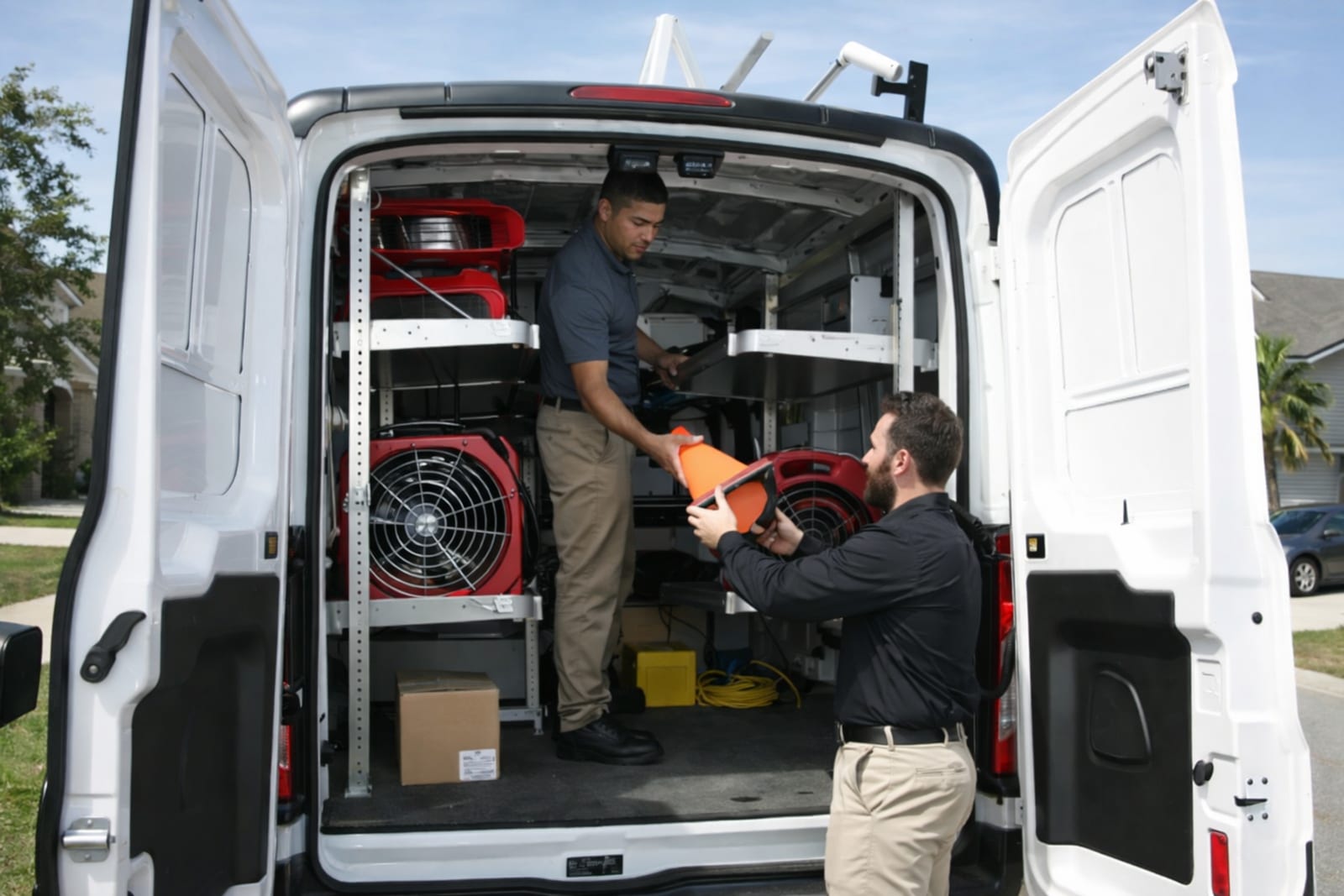
Black Mold in Minneapolis Homes
Black mold — specifically Stachybotrys chartarum — is the most concerning type of mold found in residential properties. Unlike common household molds, Stachybotrys produces mycotoxins that can cause serious health effects with prolonged exposure. In Minneapolis, where water damage from frozen pipes, basement flooding, and ice dams creates persistently damp conditions, black mold has the opportunity to establish and spread.
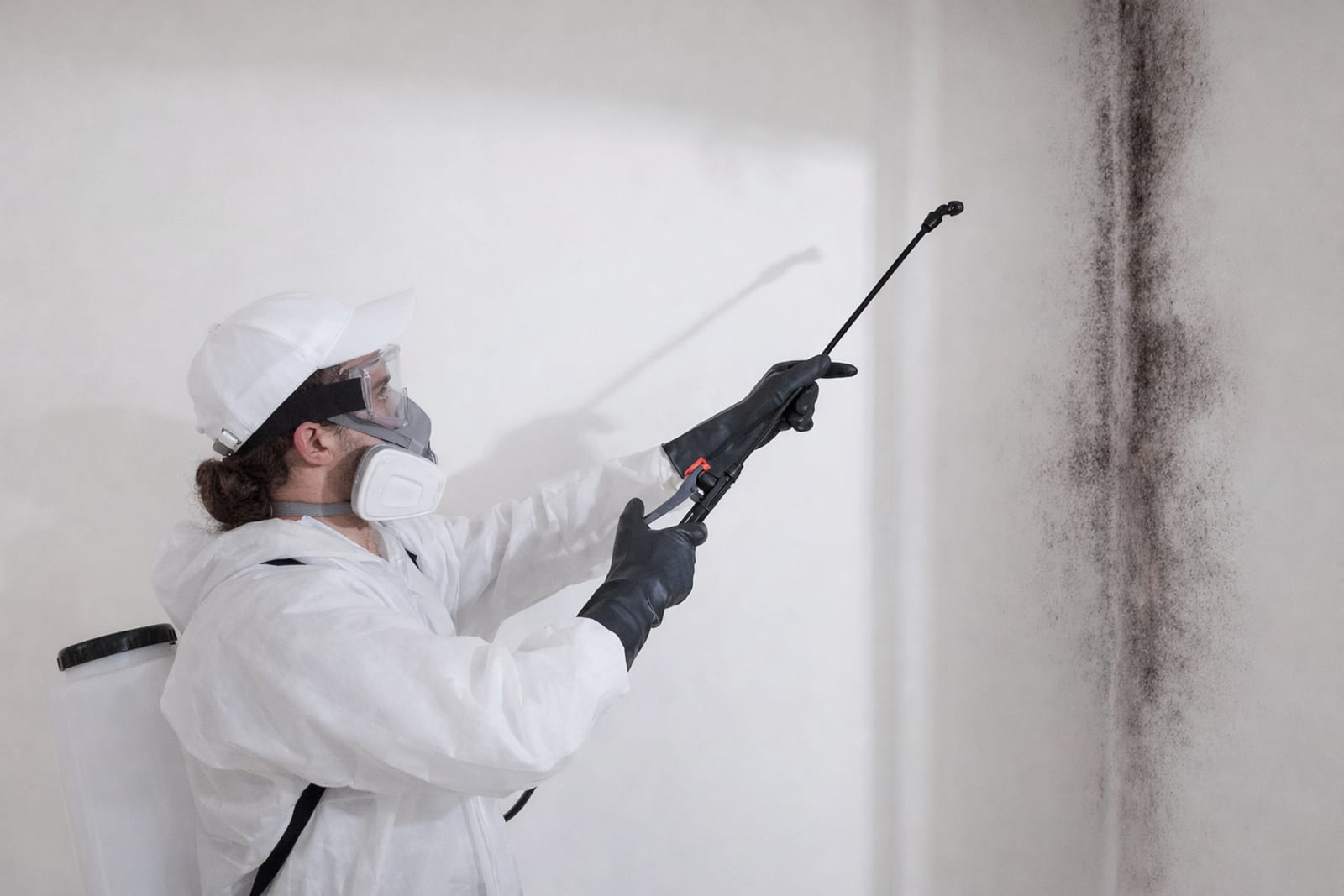
Priority Water Damage Minneapolis specializes in safe, thorough black mold removal that protects your family during the process and prevents regrowth after we leave. Every black mold project follows IICRC S520 protocols with additional precautions specific to toxigenic mold species.
Understanding Black Mold
Not all dark-colored mold is Stachybotrys. Many harmless mold species appear black or dark green. The only way to confirm Stachybotrys is through laboratory analysis of samples collected during a professional mold inspection. That said, any visible mold growth should be taken seriously regardless of color.
Stachybotrys grows on materials with high cellulose content — drywall paper, ceiling tiles, wood framing, and cardboard — in the presence of persistent moisture. It typically requires at least 72 hours of continuous dampness to begin colonizing. Unlike faster-growing molds, Stachybotrys develops slowly, which means that by the time it becomes visible, the underlying moisture problem has been present for days or weeks.
Where Black Mold Grows in Minneapolis Homes
Our experience with black mold in Twin Cities properties reveals common locations:
- Behind basement drywall: Foundation seepage or condensation keeps drywall paper persistently damp behind the finished surface. This is the most common location for Stachybotrys in Minneapolis homes.
- Inside wall cavities after water damage: Pipe leaks or water intrusion from ice dams can saturate wall cavities. If the walls are not properly opened and dried within 48 to 72 hours, black mold can establish inside the wall where it is invisible from the living space.
- Ceiling and attic spaces: Roof leaks, ice dam damage, and bathroom exhaust fans that vent into the attic rather than outdoors all introduce moisture that supports mold growth on sheathing and framing.
- Around HVAC equipment: Condensate drain clogs and duct condensation in basement mechanical rooms create damp conditions on adjacent drywall and flooring.
- Under flooring: Carpet pad and subfloor materials that were wet from flooding or leaks and not properly dried or replaced.
Our Black Mold Removal Process
Black mold remediation requires a higher level of containment and worker protection than standard mold cleanup. Our process includes:
Assessment & Air Quality Testing
We collect air samples and surface samples before beginning any work. This establishes baseline spore counts and confirms the mold species present. For black mold, we also test adjacent areas to determine how far spores have spread through the HVAC system or natural air movement.
Enhanced Containment
We construct a full containment chamber around the affected area using 6-mil polyethylene sheeting with sealed seams. Negative air pressure is maintained at all times using HEPA-filtered air scrubbers to ensure that no spores escape the work zone. Access is through a decontamination chamber that prevents cross-contamination.
Safe Removal
Our technicians work in full-face respirators, disposable Tyvek suits, and gloves. Contaminated materials are wetted to suppress spore release, carefully removed, double-bagged in 6-mil poly bags, and disposed of according to local regulations. HEPA vacuums capture any remaining particles from exposed surfaces.
Surface Treatment & Encapsulation
After removing contaminated materials, we treat remaining structural surfaces with EPA-registered fungicides and antimicrobial agents. In some cases, we apply antimicrobial encapsulants to wood framing that cannot be removed, providing a long-term barrier against future mold growth.
Post-Remediation Clearance Testing
We conduct independent air quality testing after remediation to verify that spore levels have returned to acceptable ranges. You receive a clearance report documenting the results. This report is essential for insurance claims and for your own peace of mind.
Health Effects of Black Mold Exposure
The mycotoxins produced by Stachybotrys can cause a range of health effects, particularly with prolonged exposure:
- Chronic coughing and respiratory distress
- Sinus congestion and recurring sinus infections
- Headaches and fatigue
- Skin rashes and eye irritation
- Difficulty concentrating
- Worsening of asthma and allergy symptoms
Children, the elderly, and individuals with compromised immune systems are at the highest risk. If household members are experiencing unexplained symptoms that improve when they leave the home, hidden mold contamination should be investigated immediately.
Why DIY Black Mold Removal Is Dangerous
Attempting to clean black mold without proper containment and protection can make the situation significantly worse. When Stachybotrys is disturbed — by scrubbing, spraying bleach, or tearing out drywall — it releases a concentrated burst of spores into the air. Without containment, those spores spread throughout the home via HVAC systems and natural air currents, potentially contaminating areas that were previously clean.
Bleach does not kill mold on porous materials. It may remove surface discoloration, but the mold roots (hyphae) remain alive within the material and regrow. Professional remediation removes the contaminated material entirely and treats the underlying structure.
Frequently Asked Questions
Is black mold really dangerous?
Stachybotrys chartarum produces mycotoxins that can cause respiratory issues, headaches, fatigue, and other symptoms with prolonged exposure. The risk is highest for children, the elderly, and individuals with asthma or compromised immune systems. While not every exposure leads to severe illness, the EPA and CDC recommend professional removal of any confirmed Stachybotrys contamination.
How much does black mold removal cost in Minneapolis?
Costs depend on the size of the affected area, its location, and the extent of contamination. A small, accessible area may cost a few hundred dollars to remediate. Large infestations behind walls, in crawl spaces, or across multiple rooms can cost several thousand dollars. We provide on-site assessments and detailed estimates before any work begins, and we work directly with your insurance company on covered claims.
Can I remove black mold myself?
The EPA recommends professional remediation for any mold area larger than 10 square feet. For Stachybotrys specifically, professional removal is strongly advised at any size because disturbing it releases mycotoxin-containing spores. Proper containment, HEPA filtration, and personal protective equipment are necessary for safe removal. Our parent page on mold remediation explains when professional help is needed.
How do I know if black mold is behind my walls?
Warning signs include a persistent musty smell that you cannot locate, discoloration or bubbling on painted walls, peeling wallpaper, respiratory symptoms that improve when you leave the house, and any history of water damage. We use thermal imaging cameras to detect moisture behind walls without opening them, and air quality testing can confirm elevated spore levels that indicate hidden mold growth.