Emergency Water Removal for Minneapolis Properties
When water is actively flooding your home, the priority is getting it out as fast as possible. Every hour that water sits on your floors, it absorbs deeper into carpet, pad, subfloor, drywall, and structural framing. The damage escalates exponentially with time — what starts as a simple extraction on day one can become a major restoration project by day three if the water is not removed promptly.
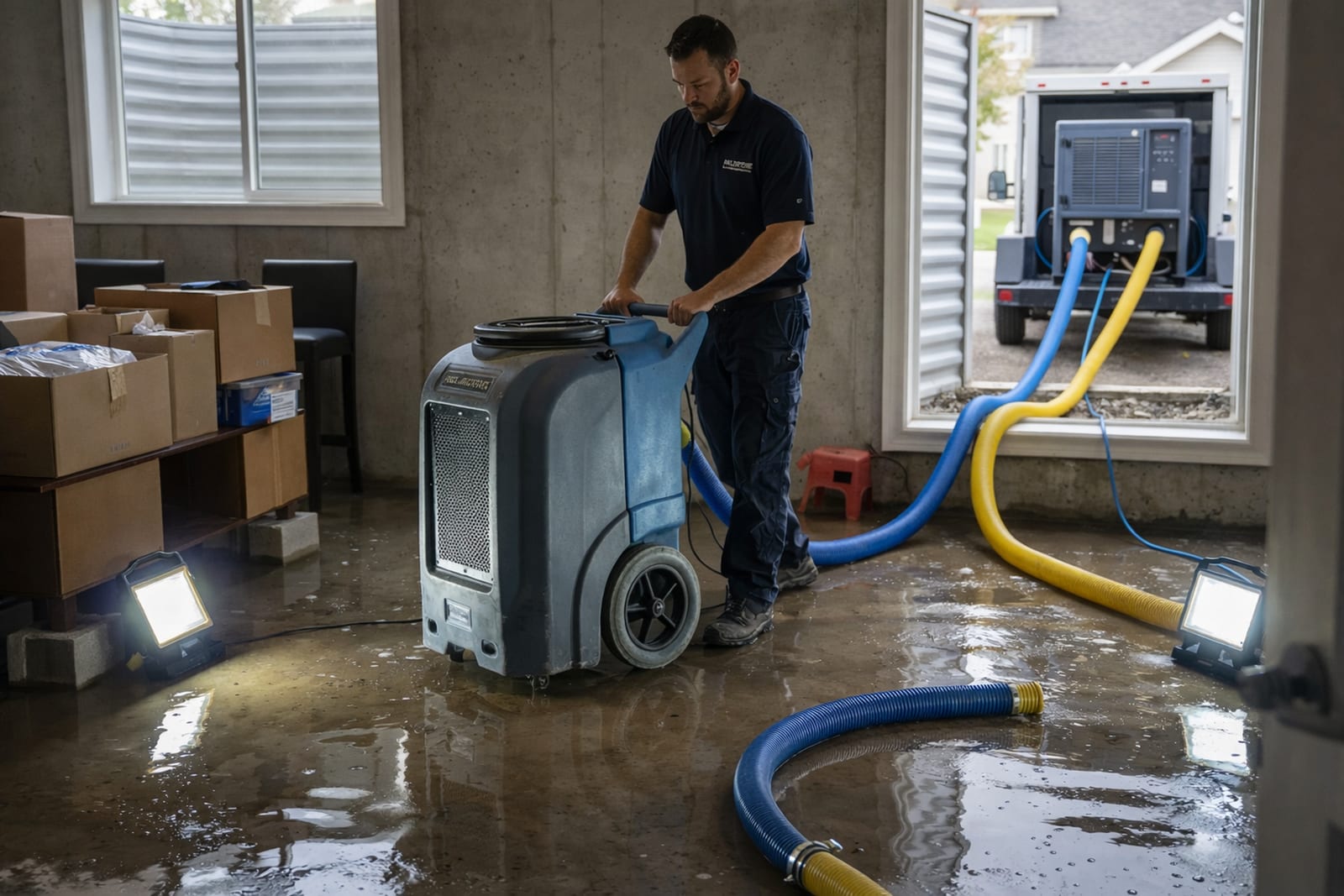
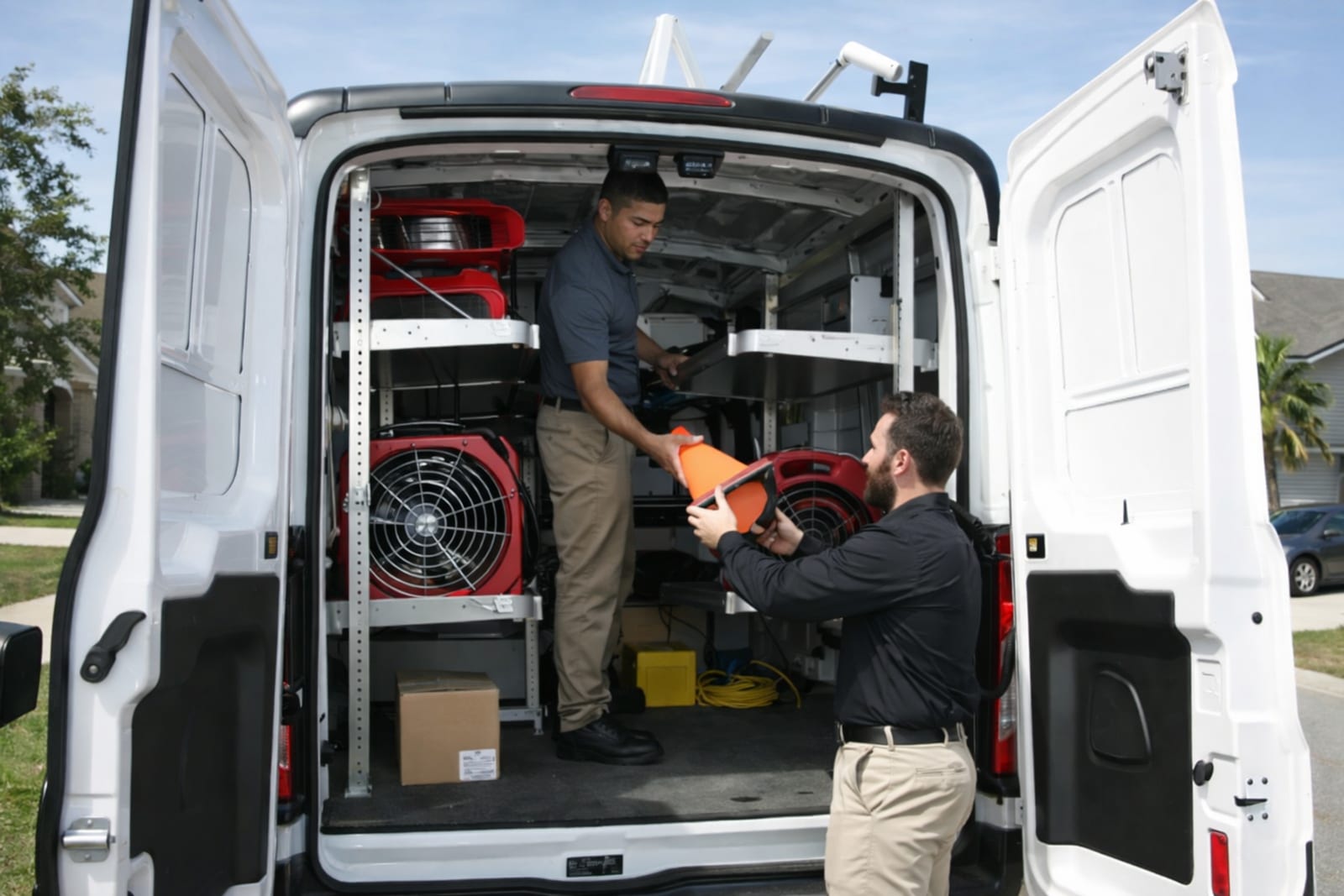
Priority Water Damage Minneapolis operates 24/7 emergency water removal crews across the Minneapolis metro area. We dispatch immediately when you call and respond as fast as possible. Our trucks carry commercial-grade extraction equipment that removes water far faster and more completely than anything available to homeowners.
When to Call for Emergency Water Removal
Call us immediately if you are dealing with any of these situations:
- Burst or leaking pipes with active water flow
- Water heater failure flooding the basement or utility room
- Washing machine, dishwasher, or refrigerator overflow
- Basement flooding from sump pump failure or groundwater
- Toilet overflow or sewage backup
- Roof leak or ice dam with water entering the living space
- Storm damage with rain entering through compromised roof or windows
- Any situation with standing water on floors
Our Emergency Response Process
Dispatch Within Minutes
When you call (855) 321-3329, our dispatcher gathers essential information: your address, the apparent source of water, approximate amount of water, and whether the water source has been stopped. A crew is dispatched immediately with the appropriate equipment for your situation.
Source Control
If the water source has not been stopped, our first action on-site is to locate and shut off the source. For plumbing failures, this means shutting off the main water valve or the specific fixture valve. For other sources, we take whatever steps are necessary to stop additional water from entering the space.
Rapid Water Extraction
We deploy the right extraction equipment for each situation:
- Truck-mounted extractors: Our primary extraction tool. Connected to the service truck parked outside your property, these units generate powerful suction that removes hundreds of gallons per minute. They handle deep standing water on any surface.
- Portable submersible pumps: For deep water in basements and areas where truck-mount hoses cannot reach. These pumps sit in the water and push it out through discharge hoses.
- Weighted extraction wands: Specialized tools that press into carpet and pad to extract water trapped in the carpet fiber and padding. Multiple passes are required to bring moisture levels down.
- Hard surface extractors: Designed for tile, hardwood, and concrete floors where standing water needs to be removed without damaging the flooring material.
Moisture Assessment
After visible water is removed, we use moisture meters and thermal imaging to identify water that has absorbed into building materials. Water travels through wall cavities, along floor joists, and behind cabinetry — areas that appear dry on the surface but contain trapped moisture that will cause damage and mold if not addressed.
Structural Drying Setup
Before we leave the first visit, we place commercial LGR dehumidifiers and high-velocity air movers to begin the drying process. Equipment placement is strategic — we direct airflow along wet surfaces and position dehumidifiers to manage the volume of moisture being released from building materials. We return daily to monitor moisture levels and adjust equipment.
Why Speed Matters in Water Damage
The timeline of water damage progression in a Minneapolis home:
- Within minutes: Water spreads across flooring, absorbs into carpet and pad, wicks up drywall.
- Within hours: Drywall absorbs water 12 to 18 inches above the water line. Furniture finishes begin to swell and stain. Metal surfaces start to tarnish.
- Within 24 hours: Drywall begins to break down. Wood flooring starts to cup and buckle. Musty odors develop.
- Within 48 to 72 hours: Mold growth begins on wet organic materials. Drywall loses structural integrity. Delamination and warping become permanent.
- Beyond 72 hours: Extensive mold contamination likely. Structural damage to framing. Restoration costs increase significantly.
This is why we emphasize rapid response. Extracting water within the first few hours dramatically reduces the scope — and cost — of the restoration project. For a complete guide on immediate steps, read what to do in the first 24 hours after water damage.
Emergency Water Removal for Every Residential Situation
Our equipment and training cover every water damage scenario Minneapolis homeowners face — from a kitchen sink overflow to a fully flooded basement. We handle single-family homes, townhomes, and condos throughout the Twin Cities metro area.
Frequently Asked Questions
How fast can you get to my Minneapolis property?
We dispatch immediately and respond as fast as possible. Our crews are positioned throughout the Twin Cities metro area and carry fully loaded extraction and drying equipment on every response vehicle. We respond 24 hours a day, 7 days a week, including holidays.
What equipment do you use for water extraction?
We use truck-mounted extraction units that generate commercial-grade suction and can remove hundreds of gallons per minute. We also carry portable submersible pumps for deep water, weighted extraction wands for carpet and padding, and hard surface extractors for tile, hardwood, and concrete. The specific equipment deployed depends on the type of flooring, depth of water, and size of the affected area.
Should I try to remove water myself before you arrive?
The most important thing you can do is stop the water source if possible — shut off the main water valve for plumbing failures. You can use a mop and towels on hard floors to reduce surface water. Do not use household vacuums, which are not rated for water and pose electrocution risk. Do not wade through standing water if electrical outlets or appliances are submerged. Our first 24 hours guide covers what to do while waiting.
How much does emergency water removal cost?
Costs depend on the volume of water, size of the affected area, number of rooms involved, and the category of water. Most emergency water removal from sudden events — such as burst pipes or appliance failures — is covered by homeowner's insurance. We provide detailed estimates, document everything for insurance purposes, and bill your carrier directly in most cases.