Frozen Pipe Burst Damage in Minneapolis
Minneapolis sees some of the coldest winter temperatures in the continental United States. Extended stretches below zero are normal from December through February, and those temperatures create a persistent risk of frozen and burst pipes. When a pipe freezes, the ice expansion generates pressures exceeding 2,000 PSI — far more than any residential plumbing can withstand. The pipe cracks or splits, and when the ice thaws or the section downstream of the blockage remains under pressure, water rushes out.
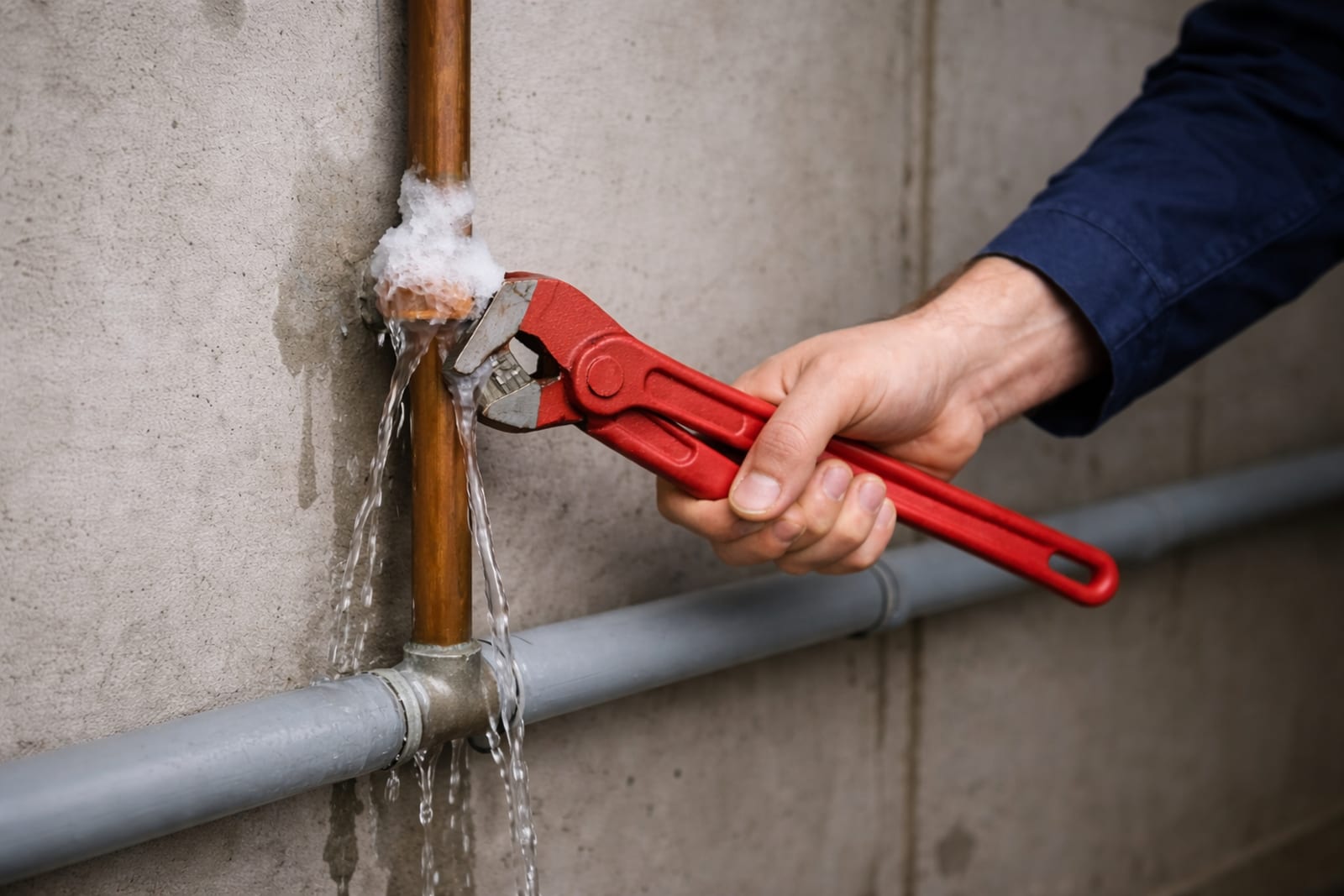
A single burst pipe can release 4 to 8 gallons per minute. If nobody is home when it happens — a common scenario during work hours or winter vacations — hundreds or even thousands of gallons can flood multiple rooms before the water is shut off. Priority Water Damage Minneapolis provides 24/7 emergency water removal and restoration for frozen pipe burst damage across the Minneapolis metro.
Why Minneapolis Pipes Freeze
Not all pipes are equally vulnerable. Understanding which pipes in your home are at risk helps with prevention:
Exterior Wall Pipes
Water supply lines running through exterior walls are the most common pipes to freeze in Minneapolis homes. Many older homes built before modern insulation standards have supply lines for kitchen sinks, bathroom fixtures, and hose bibs routed through exterior walls with little or no insulation protection.
Unheated Spaces
Pipes in crawl spaces, unheated garages, unfinished attics, and uninsulated basement rim joist areas are exposed to ambient outdoor temperatures. Even in well-maintained homes, these areas can drop below freezing during sustained cold snaps.
During Extreme Cold Events
When Minneapolis temperatures stay below minus 10 degrees Fahrenheit for multiple days — as happens during polar vortex events — even normally protected pipes can be at risk. The cold penetrates deeper into building envelopes, and furnaces running constantly may not maintain adequate temperatures in all areas of the home.
Vacant or Unoccupied Properties
Homes that are vacant during winter months, either for extended travel or between tenants, are extremely vulnerable. If the heating system fails or is set too low, the entire plumbing system can freeze. Some of the worst pipe burst damage we respond to involves homes where the furnace failed while the homeowner was away.
Our Frozen Pipe Burst Response
Immediate Water Shutoff & Extraction
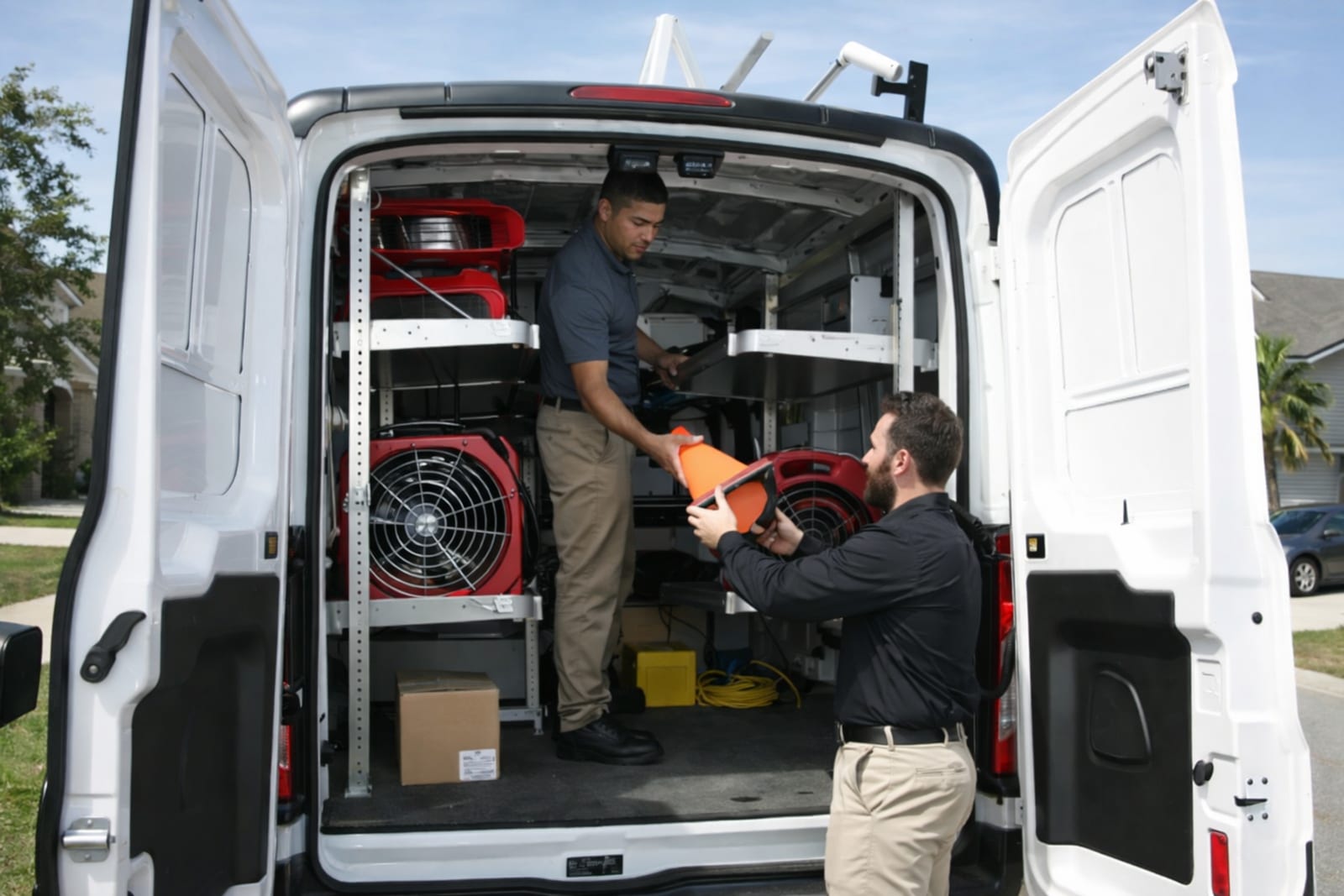
Our first action is to locate and shut off the water supply if it has not already been done. We then begin extracting standing water using truck-mounted and portable extraction equipment. The faster we remove water, the less it absorbs into flooring, drywall, cabinetry, and structural components.
Damage Assessment
Using thermal imaging cameras and moisture meters, we map the full extent of water penetration. Burst pipe water often travels through wall cavities, along floor joists, and into areas far from the visible damage. We open wall cavities and remove baseboards as needed to access hidden wet areas.
Structural Drying in Winter Conditions
Drying a water-damaged property during a Minnesota winter presents unique challenges. Outdoor air is too cold for ventilation, and the low outdoor humidity that normally accelerates drying is offset by the inability to open windows. We compensate with additional LGR dehumidifiers and closed-system drying strategies. Our technicians understand that winter drying takes longer and adjust equipment placement and monitoring schedules accordingly.
Mold Prevention
Water from burst pipes is Category 1 (clean water) initially, but standing water picks up contaminants from flooring, soil, and building materials. If drying is delayed, mold can begin growing within 48 to 72 hours. We apply antimicrobial treatments during every pipe burst restoration to prevent mold establishment.
Plumbing Repair Coordination
While we do not perform plumbing repairs ourselves, we coordinate with licensed plumbers to ensure the broken pipe is repaired before we complete restoration work. This seamless coordination eliminates delays and gets your water system operational again.
Complete Restoration
We handle all restoration work including drywall replacement, insulation reinstallation, flooring repair, painting, and trim work. Pipe burst damage often affects multiple rooms and multiple types of materials, and our teams handle every aspect so you deal with one company from emergency to completion.
Preventing Frozen Pipes in Minneapolis
Prevention is always more cost-effective than restoration. Here are practical steps every Minneapolis homeowner should take:
- Insulate exposed pipes: Add foam insulation to pipes in crawl spaces, attics, garages, and along exterior walls. Pay particular attention to the rim joist area in basements.
- Seal air leaks: Cold air infiltration through gaps around pipes, ducts, and wires in exterior walls and rim joists allows freezing air to reach otherwise protected pipes.
- Keep heat consistent: During cold snaps, keep your thermostat at the same temperature day and night. Open cabinet doors under kitchen and bathroom sinks on exterior walls to allow warm air circulation.
- Let faucets drip: During extreme cold events (below minus 10), letting a thin stream of water run through vulnerable faucets prevents pressure buildup even if the pipe partially freezes.
- Shut off outdoor faucets: Before the first freeze, disconnect garden hoses and shut off the interior valve to outdoor hose bibs. Open the outdoor faucet to drain residual water.
- Monitor vacant properties: If you travel during winter, keep the thermostat at 55 degrees minimum and have someone check the property regularly. Consider a smart water leak sensor for early detection.
Frequently Asked Questions
What should I do if a pipe bursts in my Minneapolis home?
Shut off the main water valve immediately — it is usually located near the water meter in the basement. Turn off electricity to affected areas at the breaker panel if water is near electrical outlets. Call us at (855) 321-3329 for emergency response. While waiting, move valuables and furniture away from standing water if safe to do so. Do not use household vacuums to remove water. Read our full guide: what to do in the first 24 hours after water damage.
How much water damage can a burst pipe cause?
A burst pipe can release 4 to 8 gallons per minute — that is 240 to 480 gallons per hour. In the time it takes to discover the leak and shut off the water, hundreds of gallons can enter your home. Water travels through wall cavities, along floor joists, and through ceilings to lower floors. Even a small hairline crack in a pipe can cause extensive hidden damage inside walls and ceilings over time.
Does insurance cover frozen pipe burst damage?
Yes, most homeowner's insurance policies cover sudden water damage from burst pipes, including frozen pipe bursts. Coverage typically includes water extraction, structural drying, and restoration of damaged materials. However, insurance may deny claims if the home was not adequately heated or if the damage resulted from neglect. We document everything and work directly with your insurance carrier.
At what temperature do pipes freeze in Minneapolis?
Pipes in unprotected areas can begin freezing when outdoor temperatures drop below 20 degrees Fahrenheit. In Minneapolis, where winter temperatures routinely reach minus 10 to minus 20 degrees, pipes in exterior walls, crawl spaces, garages, and attics are at high risk from November through March. Even well-insulated pipes can freeze during prolonged polar vortex events when temperatures remain well below zero for multiple days.