Sewage Backup Cleanup in Minneapolis
A sewage backup is one of the most unpleasant and hazardous water damage events a homeowner can face. Raw sewage contains bacteria, viruses, parasites, and other biological contaminants that pose serious health risks to everyone in the home. The IICRC classifies sewage water as Category 3 — the most contaminated water category — which requires specialized cleanup protocols, personal protective equipment, and EPA-registered disinfectants.
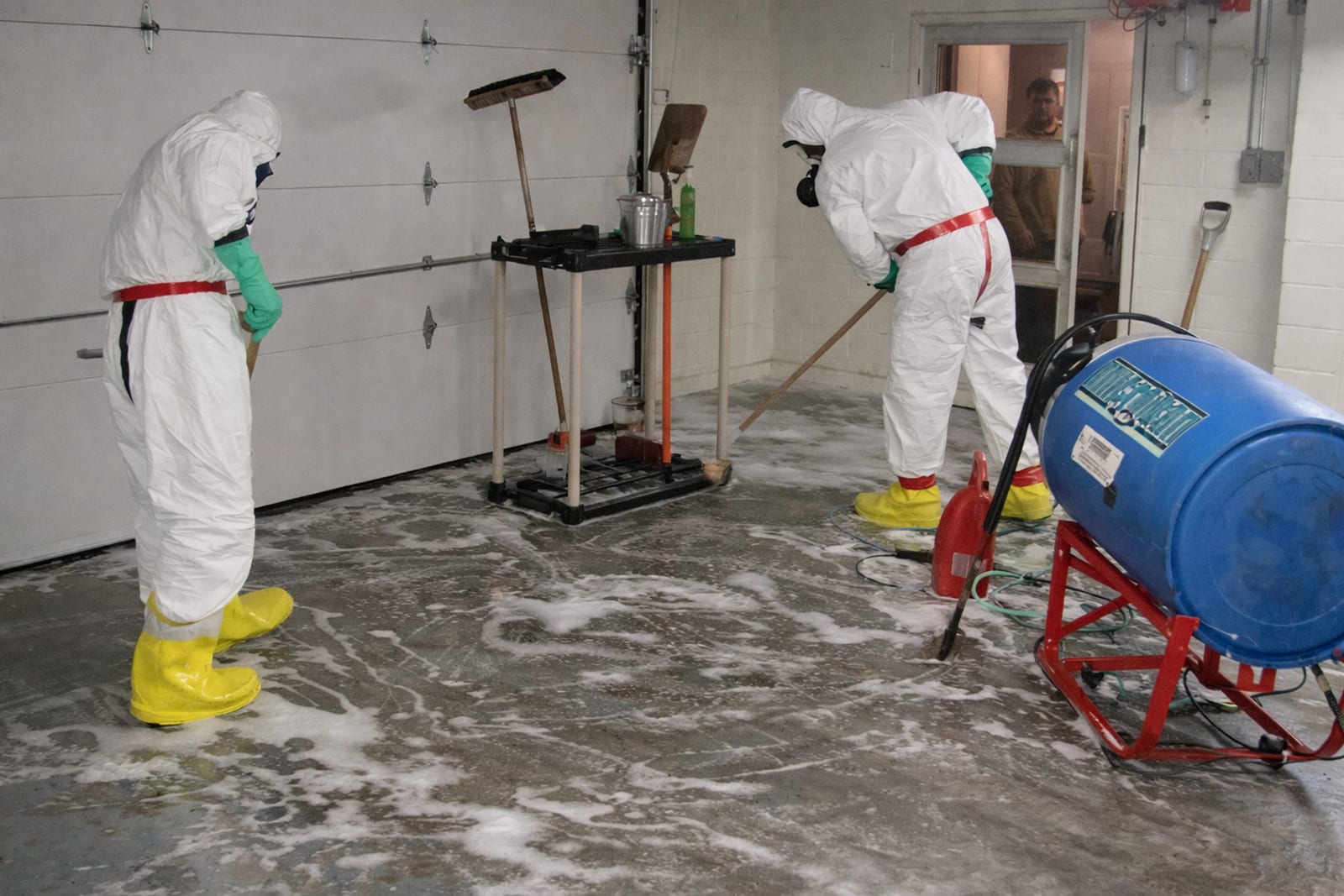
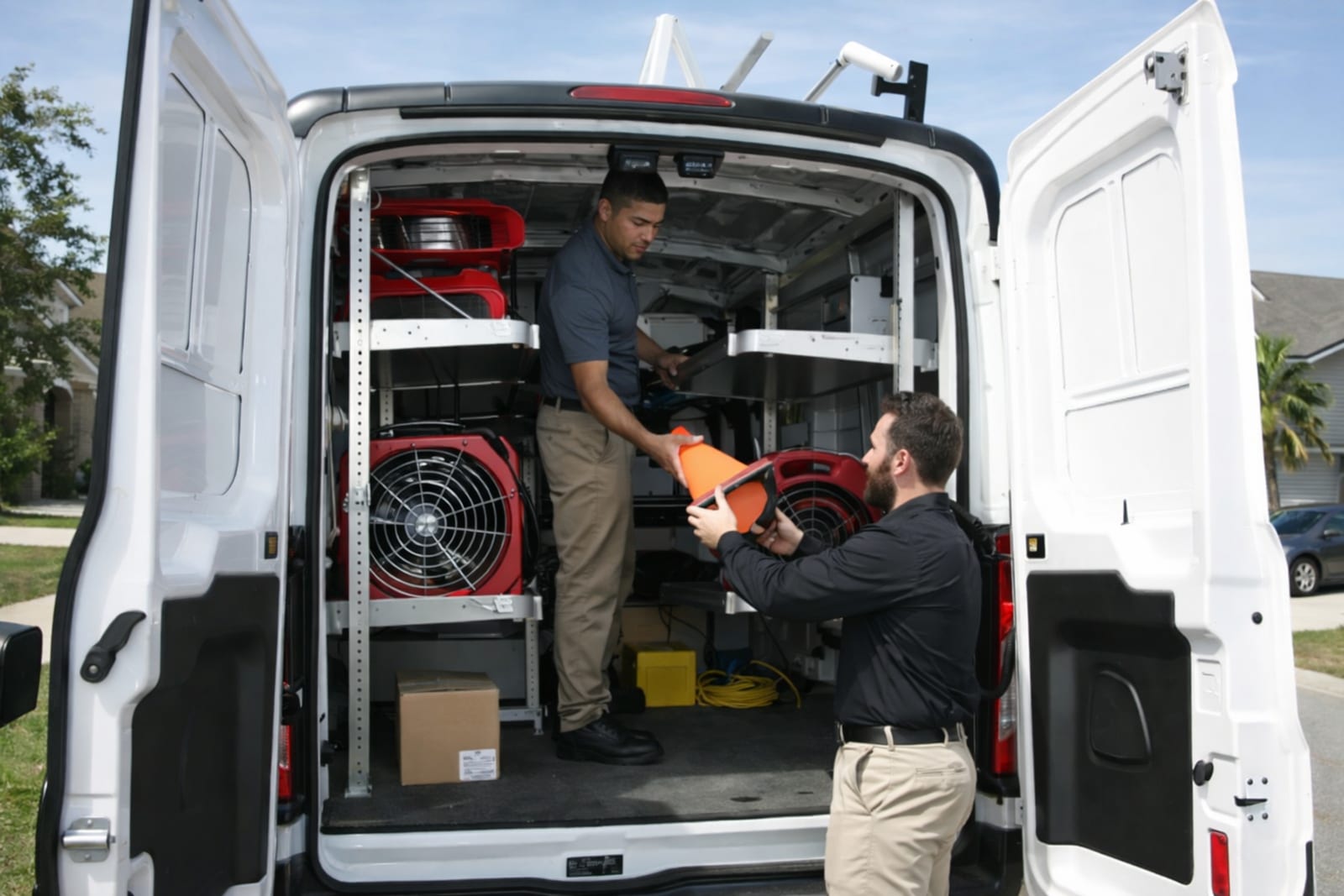
Priority Water Damage Minneapolis responds to sewage backup emergencies across the Minneapolis metro area 24/7. Our technicians are trained in Category 3 water damage cleanup and follow strict IICRC S500 protocols to protect your family and properly decontaminate your property.
Why Sewage Backs Up in Minneapolis Homes
Sewage backups in the Minneapolis area happen for several reasons:
- Combined sewer overflow: Parts of Minneapolis use a combined sewer system where storm water and sanitary sewage share the same pipes. During heavy rain events, the system can become overwhelmed, causing sewage to back up through basement floor drains.
- Tree root infiltration: Tree roots seek out moisture and can infiltrate sewer laterals through joints and small cracks. Over time, roots grow large enough to block the pipe entirely, causing sewage to back up into the home.
- Aging sewer laterals: Many Minneapolis homes have original clay tile or cast iron sewer laterals from the 1940s through 1970s. These deteriorate over decades and can collapse, crack, or become misaligned, restricting or blocking flow.
- Spring snowmelt overload: The rapid snowmelt in April and May saturates the ground and overwhelms the municipal sewer system, increasing the risk of backups into homes, particularly those without backflow prevention valves.
- Blockages from grease, wipes, and debris: Accumulated grease buildup, flushed wipes, and other debris can obstruct sewer laterals, causing sewage to back up into the lowest drain in the home.
Our Sewage Cleanup Process
Safety & Containment
Our first priority is safety. Sewage-contaminated areas are treated as biohazard zones. We establish containment to prevent contamination from spreading to unaffected areas of the home. All technicians wear full PPE including N95 respirators, protective suits, chemical-resistant gloves, and rubber boots.
Contaminated Water Extraction
We remove sewage water using dedicated extraction equipment that is separate from our clean water units. Standing sewage and saturated materials are removed as quickly as possible to reduce exposure risk and limit contamination spread.
Removal of Contaminated Materials
Porous materials that have been in contact with sewage cannot be salvaged. We remove and properly dispose of contaminated carpet, carpet pad, drywall (typically cut at least 12 inches above the visible water line), insulation, and any other absorbent materials. These materials are bagged, labeled, and disposed of in accordance with local regulations.
Sanitization & Disinfection
All remaining surfaces — concrete floors, wall framing, subfloor, structural members — are cleaned and treated with hospital-grade, EPA-registered disinfectants. We apply antimicrobial agents to prevent bacterial regrowth and mold growth during the drying period.
Structural Drying
Commercial dehumidifiers and air movers dry the structure to IICRC standards. Sewage events require the same thorough drying as any water damage, with the added step of verifying that moisture levels are within acceptable ranges before any new materials are installed.
Odor Removal
Sewage produces persistent odors that can linger even after visible contamination is removed. We use hydroxyl generators and thermal fogging to neutralize odors in affected materials, air spaces, and HVAC ductwork.
Restoration
We replace all removed materials including drywall, insulation, flooring, trim, and any damaged structural components. The affected area is restored to its pre-damage condition.
Health Risks of Sewage Exposure
Sewage contains biological contaminants that can cause serious illness:
- E. coli and Salmonella bacteria causing gastrointestinal illness
- Hepatitis A virus
- Giardia and Cryptosporidium parasites
- Respiratory irritation from sewage gas (hydrogen sulfide)
- Skin infections from direct contact
Children, the elderly, and immunocompromised individuals are at the highest risk. Do not attempt to clean up a sewage backup yourself. Professional cleanup with proper PPE and disinfection protocols is essential for your family's safety.
Preventing Sewage Backups
While not all sewage backups can be prevented, these measures significantly reduce the risk:
- Install a backflow prevention valve: A backflow valve on your sewer lateral prevents sewage from re-entering your home during system overloads.
- Regular sewer line inspections: Camera inspections of your sewer lateral can identify tree root infiltration, cracks, and buildup before they cause a backup.
- Avoid flushing wipes and grease: Even wipes labeled as "flushable" can contribute to blockages. Never pour cooking grease down the drain.
- Know the signs: Slow-draining fixtures, gurgling sounds in drains, and sewage odors near floor drains are early warning signs of a developing blockage.
Frequently Asked Questions
Is sewage backup dangerous?
Yes. Raw sewage contains bacteria (E. coli, Salmonella), viruses (Hepatitis A), parasites (Giardia, Cryptosporidium), and other biological hazards. Direct contact with contaminated water or inhalation of sewage gas can cause serious illness. Keep children and pets away from the affected area and call a professional cleanup company immediately. Do not try to clean it yourself.
Does insurance cover sewage backup?
Sewage backup is typically NOT included in standard homeowner's insurance. You usually need a separate endorsement called "sewer backup" or "water backup" coverage. If you do not have this endorsement, you may be responsible for the full cleanup cost. Contact your insurance agent to verify your coverage. We work with all insurance carriers and can help with documentation for covered claims. See our insurance claims guide for details.
How do you clean up a sewage backup?
We extract contaminated water using dedicated equipment, remove all porous materials that contacted sewage (carpet, drywall, insulation), sanitize remaining surfaces with hospital-grade EPA-registered disinfectants, dry the structure with commercial dehumidifiers, treat for odors, and restore all removed materials. Full PPE is worn throughout the process, and the work area is contained to prevent cross-contamination.
How long does sewage cleanup take?
Most residential sewage backup cleanups take 3 to 7 days for extraction, material removal, sanitization, and drying. Full restoration including new drywall, flooring, and finishing work may add 1 to 2 additional weeks depending on the scope of damage. Our emergency extraction team begins removing contaminated water within hours of your call.